2026-09-19 · Dale Mercer
Why Is My Water Heater Leaking
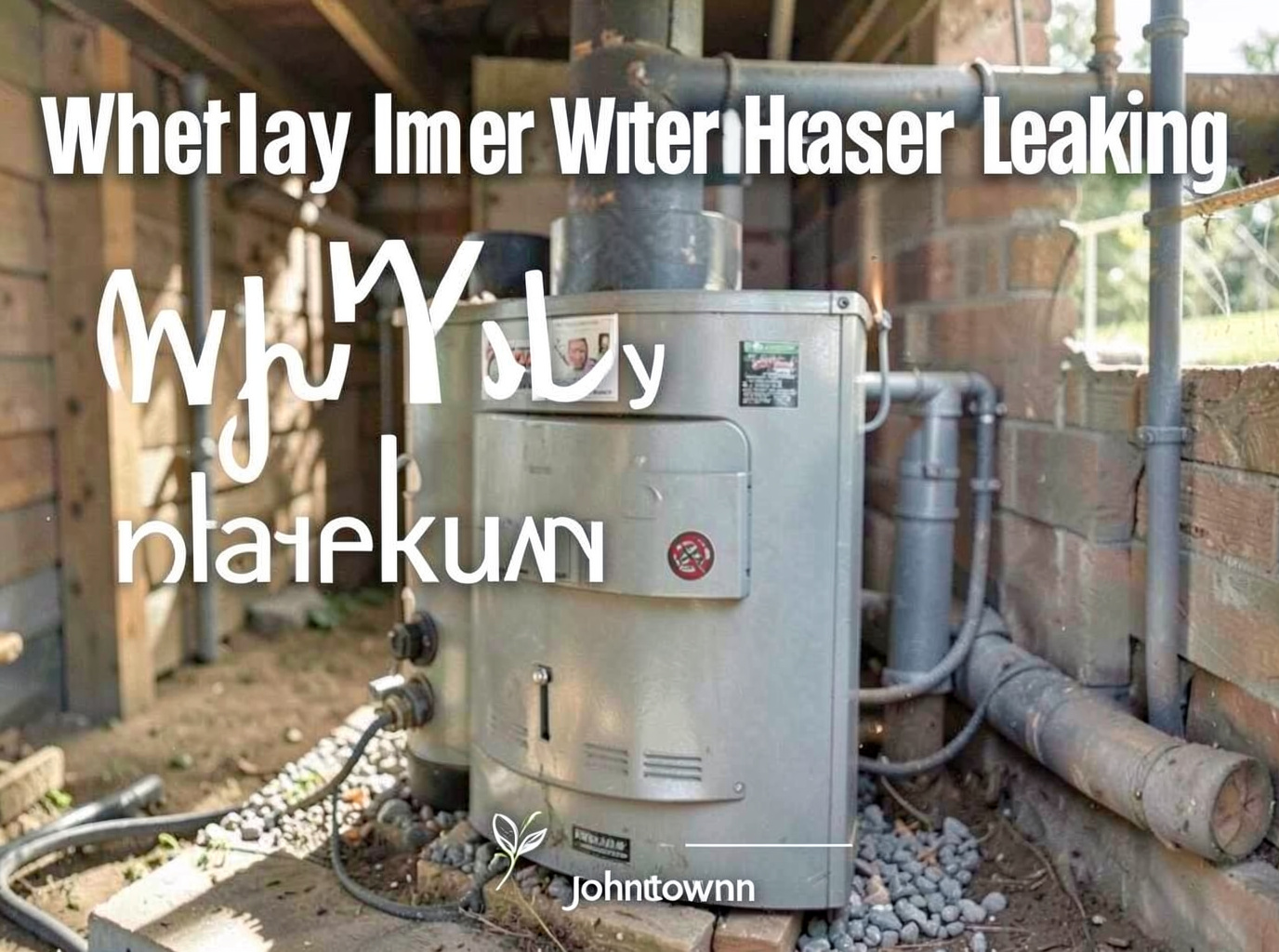
Water heaters in Johnstown typically leak because of corrosion eating through the tank after 8–12 years, loose fittings around the temperature and pressure relief valve, or sediment layers that form faster in Weld County's hard water. These failures show up most often in homes near Johnstown Community Park where older housing stock from the 1990s still uses standard 40- and 50-gallon tanks.
Corrosion from Age and Local Water Chemistry
Tanks in Downtown Johnstown and Pioneer Ridge developments corrode from the inside when the glass lining cracks and exposes steel to minerals common in Weld County groundwater. Once rust starts at the bottom seam, leaks appear within months, especially after repeated hot summers push water temperatures higher. Homeowners along Expedition Lane often notice small puddles first near the drain valve because that fitting sits lowest and collects the most sediment. Checking the anode rod every three years slows this process, but many 20-year-old homes still have original rods that dissolved years ago. When the tank wall thins to the point of pinholes, replacement becomes the only reliable fix rather than repeated patching.
Sediment Buildup in Semi-Arid Conditions
Hot summers in Johnstown drive higher water usage for irrigation and cooling, which stirs up minerals that settle inside tanks and create insulating layers. This sediment traps heat against the bottom, speeds up corrosion, and forces the burner or elements to work harder until small leaks form at the base. Properties near St. Vrain State Park draw from the same aquifer that leaves more calcium in Milliken and Loveland systems, so flushing every 12 months prevents the thick scale that shows up in local service calls. Without regular maintenance, a 50-gallon tank can lose several gallons of capacity to sediment within five years, turning minor weeping into steady drips during peak summer demand.
Pressure Relief Valve Failures
The temperature and pressure relief valve opens automatically when internal pressure exceeds safe limits, yet in Weld County homes it often leaks because of mineral deposits or a weakened spring after repeated cycles. High summer temperatures raise tank pressure faster, so valves in Loveland-adjacent neighborhoods activate more frequently and begin dripping steadily. Replacing the valve costs far less than a new tank, but ignoring the drip allows water to damage nearby flooring in crawl spaces common to Johnstown ranch homes. Testing the valve lever twice a year confirms it still moves freely; if it sticks or continues leaking after testing, the part needs replacement before the tank itself fails.
When to Schedule Professional Diagnosis
Persistent leaks around the tank or connections signal the unit has reached the end of reliable service, especially in 15-plus-year-old homes scattered through Carlson Farms and Rolling Hills Ranch. A technician can isolate whether the issue is a simple fitting or full tank failure before water damages subfloors. For leaking water heater repair in Johnstown, visit Leaking Water Heater Repair to see the exact steps used on local units. Homeowners who also notice inconsistent temperatures should read Signs Your Water Heater Is Failing for early warning patterns that match conditions here in Weld County.